


For decades, careers were tied to geography. Where you lived determined where you worked. If the best opportunities were in New York, London, or Singapore, you had to move there. Offices defined careers, and borders defined opportunity. Today, thousands of professionals work for companies located in one country while living in another. A software engineer might work for a startup in San Francisco while living in Lisbon. A product marketer may collaborate with a team in London while based in Bali. A consultant might serve global clients from Medellín or Dubai. But while the idea of working from anywhere sounds simple, the reality requires planning. The good news is that governments around the world are beginning to support this lifestyle through digital nomad visas, which are special residency programs designed specifically for remote professionals.

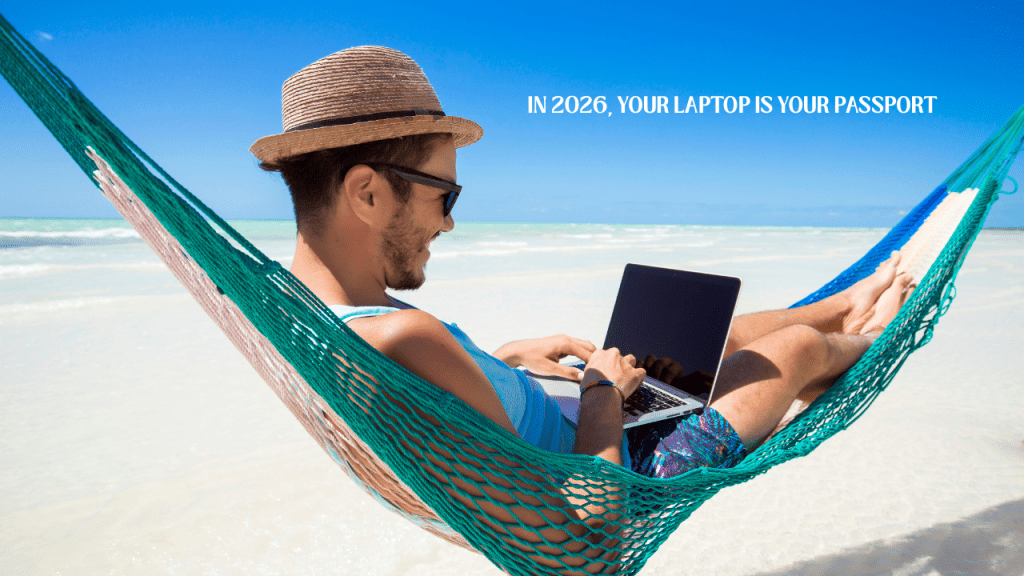
If you’re thinking about building a location-independent career, here are the most important things to understand before making the move.
Five Things You Should Know Before Moving Abroad as a Remote Worker
1. You Don’t Move First — Your Work Does
One of the most important lessons experienced digital nomads learn is that relocation does not begin with booking a flight. It begins with structuring your work so that it travels with you. Many people imagine they can decide to move abroad and figure out how their job will adapt afterward. In reality, the most sustainable approach is the opposite. Before relocating anywhere, your work must already be structured in a way that allows it to function independently of location. This means your employer, clients, or business operations should already run digitally. Meetings should be conducted online, collaboration should happen through digital tools, and deliverables should not depend on physical presence in an office or country. When your work is fully portable, moving abroad becomes a logistical decision rather than a professional risk.
2. Know Whether Your Job Can Truly Be Done From Anywhere
Not every remote job is truly location-independent. Some companies allow employees to work remotely but still require them to remain within a specific country due to payroll regulations, tax laws, or data security policies. Others operate as fully distributed organizations and allow employees to work internationally with minimal restrictions.
Before planning a move, it is important to understand how flexible your role actually is. This often requires open conversations with your employer about working internationally, including questions such as:
- Does the company allow employees to work from other countries?
- Are there time zone expectations that may affect collaboration?
- Does the organization have policies around international remote work?
Understanding the difference between a remote-friendly company and a remote-first company can determine how easily you are able to relocate.
3. Can Your Income Sustain Life Abroad?
Relocating internationally requires a realistic understanding of your finances. Even if the country you plan to move to has a lower cost of living, moving abroad introduces new expenses—visa fees, housing deposits, health insurance, travel costs, and administrative processes. Many countries offering digital nomad visas also require applicants to demonstrate a minimum monthly income, often ranging from $2,000 to $5,000 per month, depending on the destination. This means your income must be stable enough to support both your daily life and unexpected expenses.
Successful digital nomads often prepare by:
- Building savings before relocating
- Researching cost of living in advance
- Diversifying income streams
- Ensuring their work contracts are stable
Financial stability makes the transition far smoother and reduces stress once you arrive in a new country.
4. Understand What Taxes You May Need to Pay
Taxes are one of the most overlooked aspects of moving abroad while working remotely. Many countries consider individuals tax residents after spending around 183 days there. This means part of your income may become taxable in that country, even if your employer or clients are located elsewhere. At the same time, some remote workers may still have tax obligations in their home country depending on national tax rules. Because of this complexity, many digital nomads consult international tax advisors before relocating to understand how different jurisdictions treat remote workers. Understanding tax residency rules, double taxation agreements, and reporting obligations can help prevent costly surprises later.
5. Does Your Skill Set Make You Location-Independent?
Another key factor determining whether someone can relocate easily is the nature of their skills. Some professions are naturally location-independent because the work is entirely digital and can be delivered online. Common location-independent careers include:
- Software engineering
- Product management
- Digital marketing
- UX/UI design
- Data analysis
- Consulting
- Content creation and writing
These professions rely more on communication and digital tools than on physical presence. For professionals who want long-term location freedom, building skills that travel well across borders can dramatically expand their opportunities.

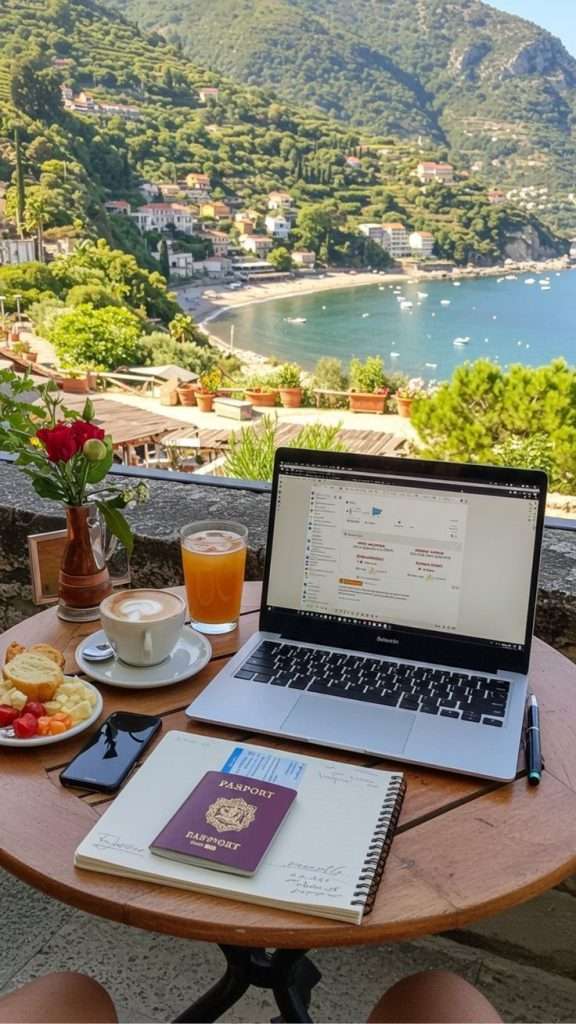
How to Get a Digital Nomad Visa
Once you have established that your work is fully remote and your income is stable enough to support life abroad, the next step is obtaining the legal permission that allows you to live in another country while continuing to work remotely. This is where digital nomad visas come into play.
Digital nomad visas are special residency permits designed for professionals who earn income from outside the country they plan to live in. Unlike traditional work visas, they do not require you to work for a local company. Instead, they allow you to legally reside in the country while maintaining your employment or business abroad. Over the past few years, governments around the world have introduced these visas to attract skilled remote workers who bring international income into their local economies.
Although each country has its own requirements, the process of obtaining a digital nomad visa generally follows a similar structure.
Step 1: Choose a Country That Offers a Digital Nomad Visa
The first step is selecting a destination that supports remote workers through a formal digital nomad visa program. As remote work has expanded globally, many countries have introduced these visas to attract international professionals. Some of the most well-known digital nomad visa destinations include Portugal, Spain, Estonia, Croatia, Greece, Dubai, Mexico, and Thailand. Each country offers different benefits, residency durations, income requirements, and lifestyle advantages. Some allow remote workers to stay for one year, while others provide renewable residency options that can extend for several years.
When choosing where to apply, it is important to consider factors beyond the visa itself. Cost of living, internet infrastructure, healthcare access, safety, climate, and time zone compatibility with your job all play important roles in determining whether a destination is suitable for long-term remote work.
Step 2: Check the Income Requirements
Almost every digital nomad visa requires applicants to demonstrate a minimum monthly income. This ensures that remote workers can support themselves financially while living in the country and do not rely on local employment. Income thresholds vary depending on the country, but typically range between $2,000 and $5,000 per month. Applicants usually need to show proof of income through employment contracts, client agreements, or bank statements covering the previous three to six months.
If you earn income from multiple sources such as freelance work, consulting, or online business activities, you may need to provide documentation for each source. Governments want to confirm that your income is stable and originates from outside the country where you plan to reside.
Step 3: Gather the Required Documents
Once you confirm that you meet the financial requirements, the next step is preparing the documents needed for the application. While the exact requirements vary by country, most digital nomad visa applications require the following:
- A valid passport
- Proof of remote employment or freelance contracts
- Bank statements showing consistent income
- International health insurance that covers the destination country
- A clean criminal background check
- Proof of accommodation for the beginning of your stay
Some countries may also request a motivation letter explaining why you want to live there or documentation confirming that your employer allows remote work from abroad. Preparing these documents early can make the application process much smoother and reduce delays.
Step 4: Submit Your Visa Application
After gathering the required documentation, you can submit your visa application. Depending on the country, this may involve applying online through a government portal or submitting documents through an embassy or consulate in your home country. Processing times vary widely. Some digital nomad visas are approved within a few weeks, while others may take several months, depending on the country’s immigration system. Many applicants choose to work with immigration consultants or relocation specialists who understand the process in specific countries. While this is not always necessary, professional guidance can sometimes simplify the process and reduce the likelihood of errors or rejected applications.
Step 5: Receive Approval and Relocate
Once your visa is approved, you are legally allowed to live in the country while continuing to work remotely for your employer or clients abroad. Most digital nomad visas initially grant residency for six months to one year, though many can be renewed if you continue to meet the program’s requirements. After relocating, many remote professionals begin integrating into local communities by joining co-working spaces, attending networking events, or connecting with other digital nomads. Building routines that balance work responsibilities with exploration of the new environment often helps create a sustainable lifestyle abroad.
Digital nomad visas represent a major shift in how countries think about talent and economic growth. Instead of requiring foreign professionals to work for local companies, governments are increasingly welcoming remote workers who bring global income and expertise into their economies. For professionals, this creates a new possibility: building careers that are not tied to a single city or country. As more companies embrace distributed teams and more governments introduce digital nomad visa programs, the path to living and working internationally is becoming more accessible than ever before. For those willing to plan carefully and approach the transition strategically, becoming a digital nomad is no longer just an idea—it is a realistic way to design a career that truly works from anywhere.